Cross-industry
Control Without Being the Bottleneck
Series: Home Health Field Notes · 07/15 Audience: Owners who fear that “systems” mean losing the quality that built the book Pixelum voice: founder-operator, peer-to-peer Theme:.
Pixelum
October 8, 2026
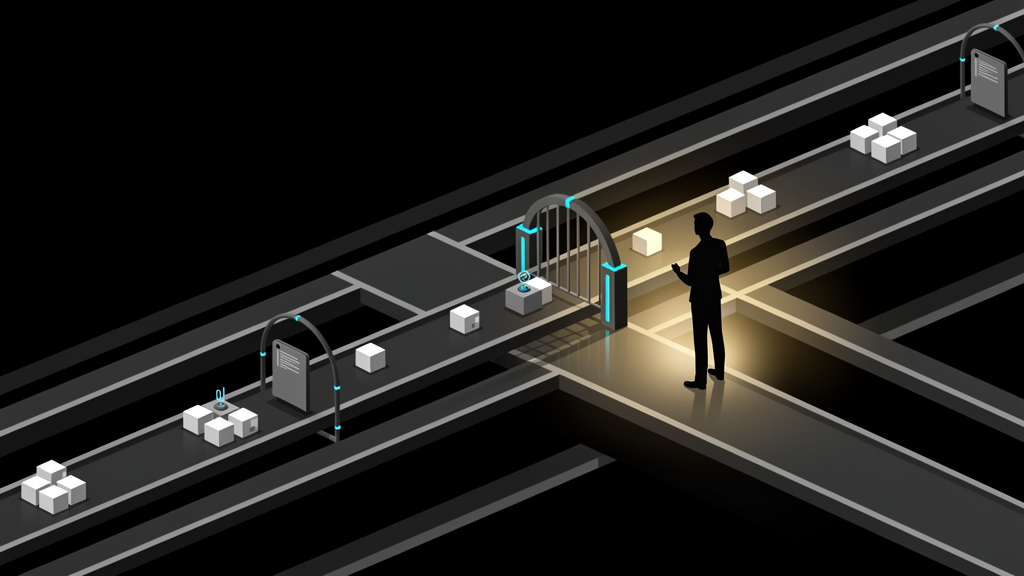
A lot of owners hear “get out of the weeds” and translate it as “stop caring.”
That’s not the job.
The job is control without bottleneck — standards that travel, decisions that don’t require your body in the room, and a business that still feels like *yours* when you’re not texting at 9:14 p.m.
The fear underneath founder dependency
Most founder dependency isn’t ego. It’s quality anxiety.
You built the agency on judgment:
- Who is safe with which client
- When to bend a schedule vs hold the line
- Which lead is real and which is noise
- How hard to push a caregiver who is slipping
If you step back without transferring that judgment into rules, training, and review, quality drops. Clients feel it. Caregivers feel it. You jump back in. The dependency hardens.
So the real design problem is: how do you keep your judgment in the system after you leave the chat thread?
Three layers of control that aren’t “you”
1. Standards (what good looks like)
Not a binder nobody reads. A short, living set of non-negotiables:
- Response times for open shifts
- Matching rules for complex clients
- Escalation criteria that are specific, not “use your best judgment” as a blank check
- What “good documentation” means before payroll/billing
If it only lives in your tone of voice on the phone, it isn’t a standard. It’s a vibe.
2. Decision rights (who can say yes)
Write the matrix. Ugly on purpose. One page.
Ambiguity is what pulls you back into every thread.
3. Review cadence (how you stay in control)
Weekly exception review beats live micromanagement.
- What decisions were made without you
- What broke
- What rule needs a rewrite
That’s founder control in adult form: inspect the system, not every case.
“I’ll know it when I see it” is an expensive policy
Founder taste is an asset until it becomes the only acceptance test.
If hiring, matching, and client recovery all require you to “just know,” you have capped the agency at your personal bandwidth. Franchise playbooks, multi-location dreams, and real vacations all die in the same place: uncodified judgment.
Codifying doesn’t make care robotic. It makes your care portable.
What we look for on assessments
When we map owner dependency, we’re not grading how hard you work. We’re looking for:
- Exception volume that only you clear
- Roles that escalate by habit, not by rule
- Tools that notify you instead of resolving
- Growth plans that assume infinite founder hours
If those show up, the fix order is almost never “buy another seat of software.” It’s decision design, then process, then people, then configuration or build — if earned.
You can keep control.
You just can’t keep being the only control surface.
Soft next step
If quality anxiety is what’s keeping you in every exception, bring two weeks of “only I can decide” moments to a working conversation. We’ll help separate true founder calls from rules that should already live in the office.
Related reading
Cross-industry
The Complete Guide to Caregiver Call-Off Costs
Learn how to model the financial impact of caregiver call-offs, calculate lost billable hours, and recover margin in your home care agency.
September 23, 2026

Cross-industry
Why You Can't Hire or Buy The Solution your Home Care Business Needs
Software can't enforce. Consultants can't build. Dev shops can't diagnose. One hire can't be four people. What's left?
August 26, 2026

Cross-industry
7 Home Care Bottlenecks Scheduling Automation Solves
Discover 7 home care scheduling bottlenecks that drain margin through call-offs, manual matching, and poor routing, plus how automation closes each gap.
August 19, 2026
See where this shows up in your business
A three-week, fixed-fee diagnostic that finds exactly where margin leaks in your business — proven with your numbers, not our opinions.
Get your Profit Map